Building an AI SaaS Platform for Automated OWASP & Infrastructure Security Audits
How we built a SaaS platform where users simply upload a website URL and instantly receive a complete OWASP Top 10 vulnerability report along with infrastructure security insights, helping teams move toward SOC-level compliance.


Project Overview
Modern web applications face constant cybersecurity threats ranging from injection attacks to misconfigured cloud infrastructure. However, most security audits are still manual, expensive, and slow. To solve this problem, we built an AI-powered SaaS platform where users simply submit a website URL. The system automatically scans the application, detects vulnerabilities aligned with OWASP Top 10 standards, evaluates infrastructure exposure, and generates a structured security report that organizations can use to improve their security posture and move toward SOC-level compliance.
System Architecture
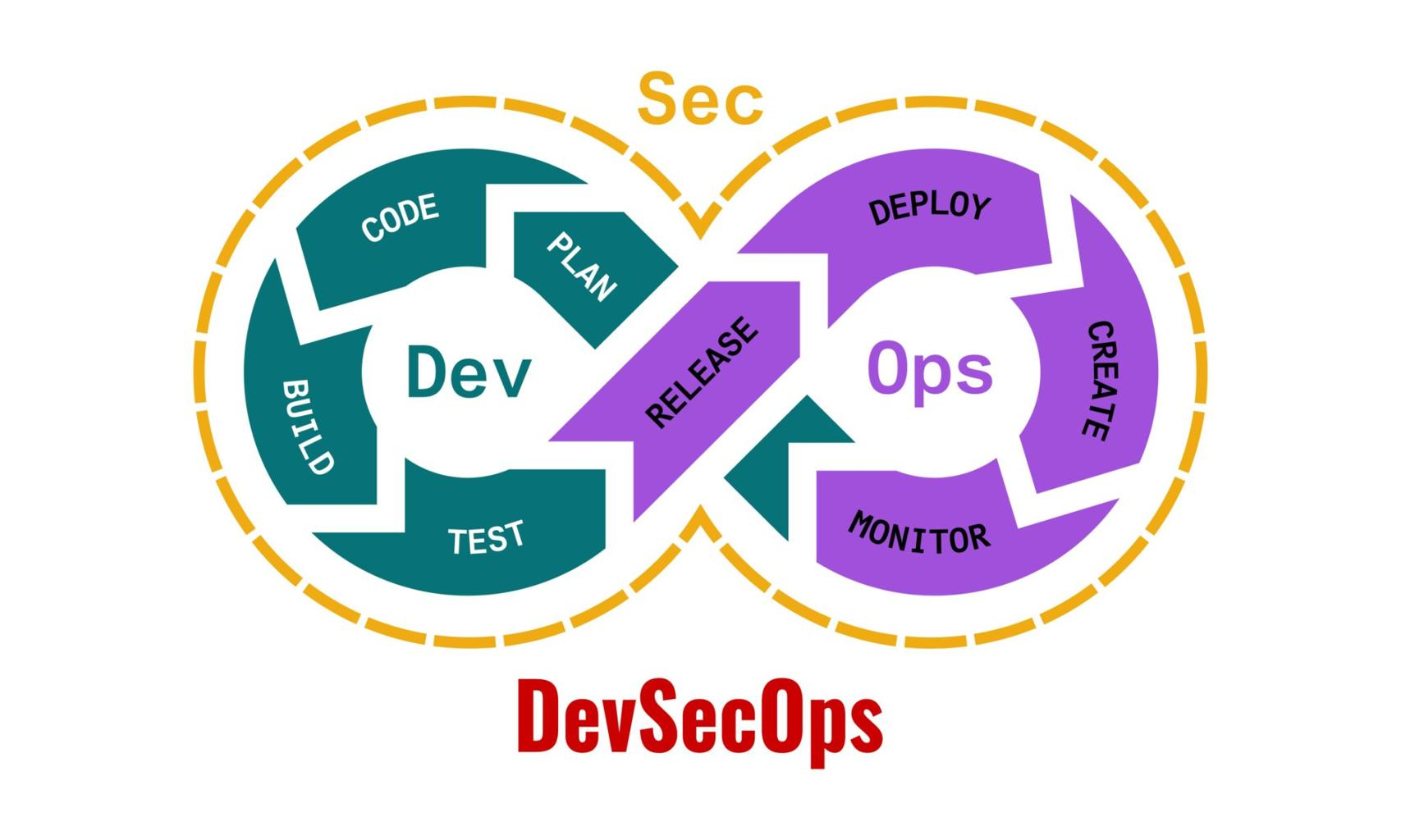
The platform operates as a modular security scanning pipeline. Once a user submits a URL, the system launches automated crawlers and scanners that analyze application endpoints, infrastructure exposure, and security headers. AI models then classify vulnerabilities and generate human-readable security reports.
Website Crawler
Discovers pages, APIs, and endpoints within the target website to build a full scanning map.
OWASP Vulnerability Engine
Detects vulnerabilities such as injection attacks, broken authentication, and security misconfigurations.
Infrastructure Analyzer
Identifies server technologies, CDN providers, open ports, SSL configuration, and DNS exposure.
AI Risk Classifier
Uses machine learning to classify detected issues by severity and generate contextual remediation guidance.
Implementation Details
Code Example
# Simplified vulnerability scan pipeline

async def scan_website(url):
    endpoints = await crawler.discover_endpoints(url)

    vulnerabilities = []

    for endpoint in endpoints:
        result = await owasp_scanner.scan(endpoint)
        vulnerabilities.extend(result)

    infra = await infrastructure_detector.analyze(url)

    report = ai_risk_engine.generate_report(
        target=url,
        vulnerabilities=vulnerabilities,
        infrastructure=infra
    )

    return report
Agent Memory
Embedding automated OWASP scans into CI/CD pipelines helps developers detect vulnerabilities before deployment. This reduces remediation costs and significantly improves overall application security posture.
Workflow
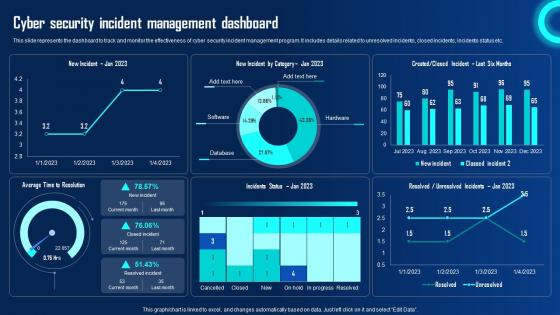
Users simply submit a website URL. The platform launches a scanning pipeline that crawls the application, analyzes vulnerabilities, checks infrastructure configuration, and generates a detailed security report. The final report includes OWASP classification, severity scoring, and recommended fixes.
Results & Impact
"This platform turned a full-day manual security audit into a 90-second automated scan. Our DevOps team now runs security checks on every release."
Faster Security Audits
Security scanning that previously required hours of manual penetration testing can now be completed automatically in under two minutes.
Improved Security Visibility
Organizations receive clear reports highlighting OWASP vulnerabilities, infrastructure exposure, and remediation guidance.
SOC Readiness
The platform helps companies move toward SOC compliance by identifying infrastructure risks and security gaps.
Developer-Friendly Security
Reports are generated in both technical and simplified formats so developers and business teams can understand them easily.
About the Author
Devulapelly Kushal Kumar
AI Context Engineer
Apex Neural
Kushal architects intelligence infrastructure that turns AI from a feature into a system. He designs multi-agent platforms combining backend engineering, structured reasoning, and enterprise governance. Work spans agentic orchestration, secure LLM integrations, and scalable cloud-native deployments.
Contributors

Ready to Build Your AI Solution?
Get a free consultation and see how we can help transform your business.