High-Fidelity AI Video Production Using Veo 3
A real-world case study on producing cinematic-quality AI videos using Veo 3 with minimal iteration cycles.

Project Overview
AI video generation has rapidly evolved, but most tools still struggle with temporal consistency, prompt adherence, and cinematic realism. This project explores how Veo 3 was used to produce high-quality video outputs efficiently, and why it proved superior to other popular models such as KlingAI, Runway Gen-2, and Pika in a production-oriented workflow.
System Architecture
The workflow was designed around Veo 3 as the core video generation engine, supported by structured prompt engineering, reference conditioning, and selective post-processing only when required.
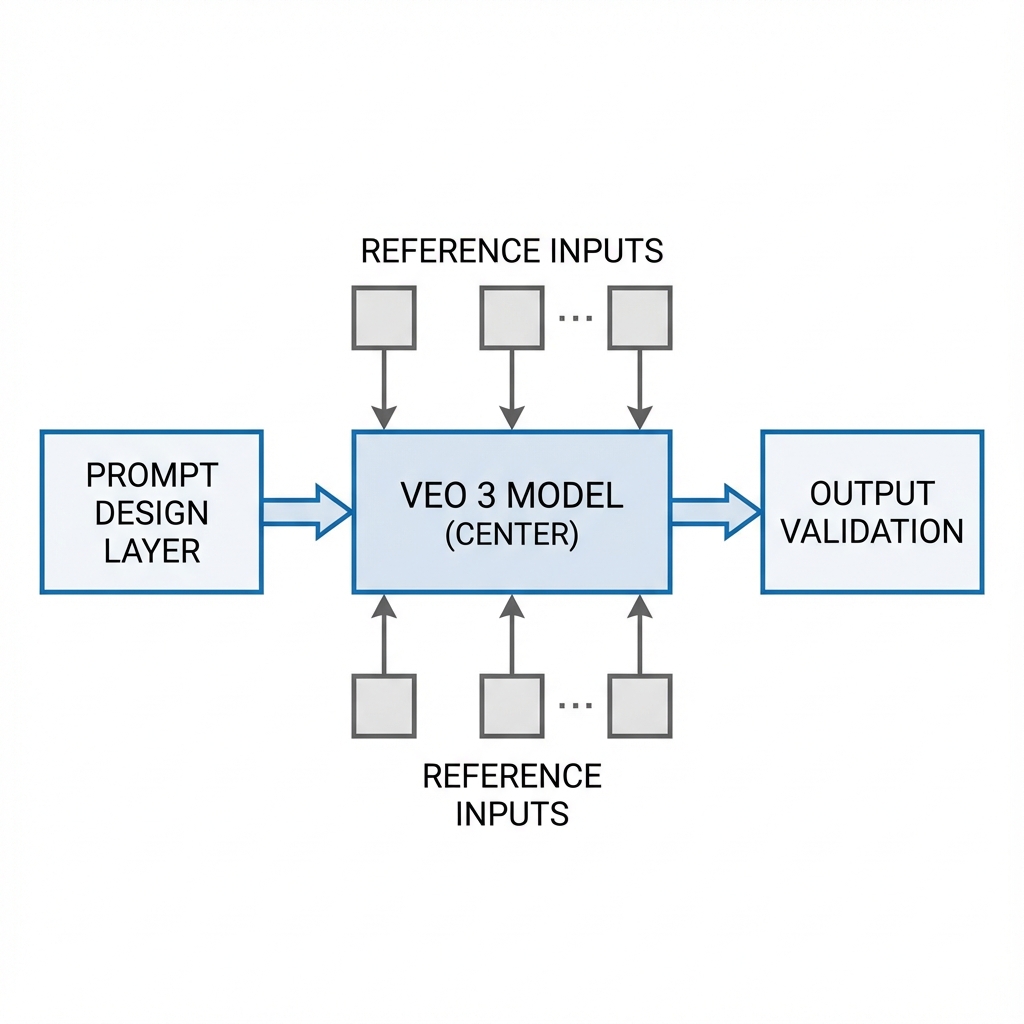
Prompt Design Layer
Scene-level prompts with camera, motion, and style constraints
Veo 3 Model
Primary video generation engine
Reference Conditioning
Visual and stylistic anchors for consistency
Output Validation
Manual and visual checks for coherence
Implementation Details
Code Example
# Example Structured Prompt Strategy\nscene_1:\n camera: \"dolly_in_slow\"\n lighting: \"cinematic_golden_hour\"\n subject: \"cyberpunk_city_street\"\n action: \"rain_falling_naturally\"\n constraints: [\"no_flicker\", \"maintain_geometry\"]Agent Memory
Veo 3 responds exceptionally well to structured, constraint-based prompts, reducing the need for repeated trial-and-error generations.
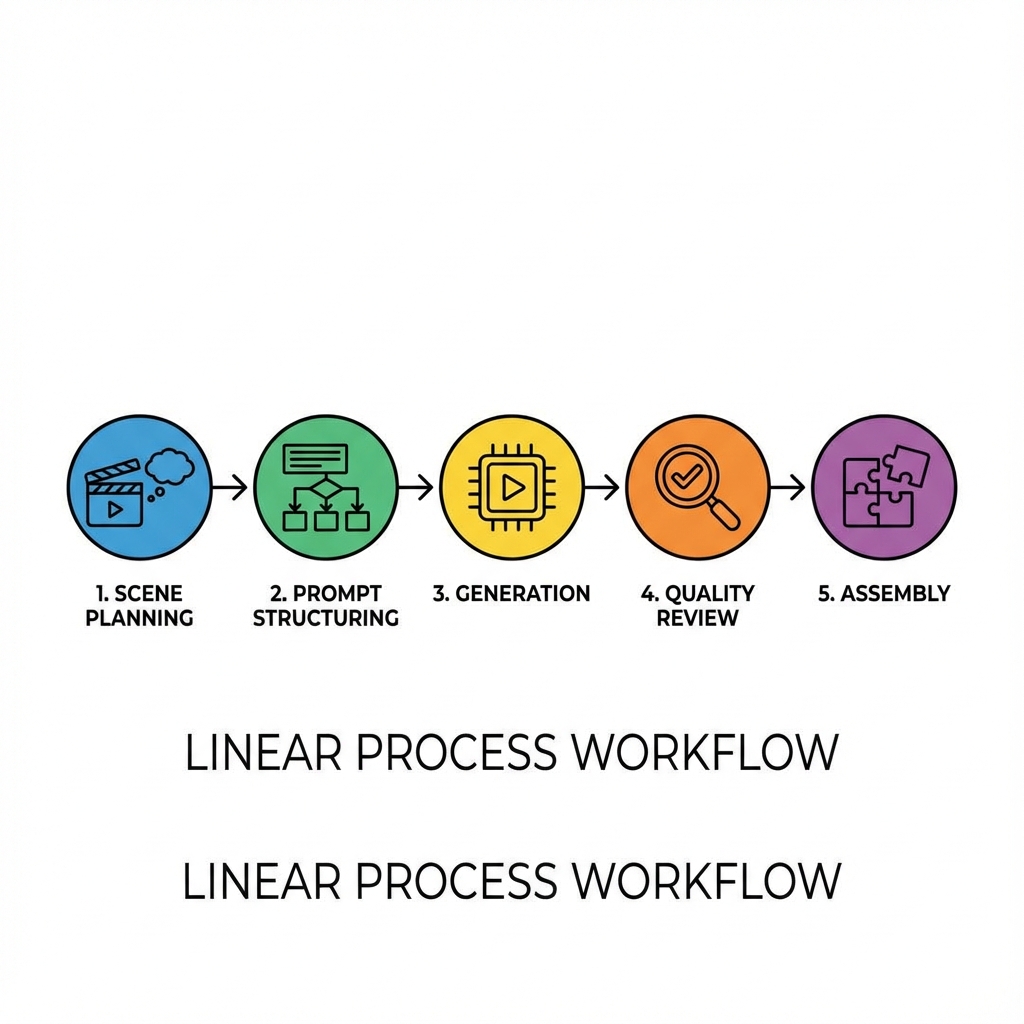
Workflow
Scene Planning: Break the narrative into clear visual scenes.\n2. Prompt Structuring: Define camera motion, environment, and mood.\n3. Video Generation: Generate clips using Veo 3.\n4. Quality Review: Validate motion consistency and realism.\n5. Final Assembly: Stitch scenes with minimal post-processing.
Results & Impact
"Veo 3 drastically reduced the gap between AI-generated video and real cinematography. The efficiency gains were immediately noticeable."
Efficiency
Fewer prompt iterations and faster finalization
Quality
Visually coherent, cinematic outputs
Scalability
Easier to scale to longer narratives
About the Author
Vedant Pai
AI Context Engineer
Apex Neural
Designs and deploys agentic AI that integrates LLM reasoning with structured backends. Work spans multi-agent orchestration (Planner/Executor/Verifier), ReAct pipelines, RAG with validation, and microservice deployments with JWT/RBAC.
Contributors

Ready to Build Your AI Solution?
Get a free consultation and see how we can help transform your business.